




XPG new material special spray dryer
Key word:XPG new material special spray dryer
Classification:Spray drying advantage project
Product overview:With the advancement of science and technology, new materials for industrial textiles continue to show development trends, and their use has continued to expand in various fields. Some special-purpose fibers such as aramid...
Details
Photo gallery
Video
New material overview
New materials refer to newly developed or evolving structural materials with excellent properties and functional materials with special properties. Structural materials mainly use their mechanical properties such as strength, toughness, hardness and elasticity. Such as new ceramic materials, amorphous alloys (metal glass) and so on. Functional materials mainly use the functions and physical effects of electricity, light, sound, magnetism, heat, etc. In recent years, new materials researched and developed in the world mainly include new metal materials, fine ceramics and optical fibers.
Introduction to new materials
With the development of science and technology, people develop new materials based on the research results of modern science and technology on the basis of traditional materials. The new materials are classified into four categories: metal materials, inorganic non-metal materials (such as ceramics, gallium arsenide semiconductors, etc.), organic polymer materials, and advanced composite materials. Divided into structural materials and functional materials according to material properties. The structural materials mainly utilize the mechanical and physical and chemical properties of the materials to meet the performance requirements of high strength, high rigidity, high hardness, high temperature resistance, wear resistance, corrosion resistance and radiation resistance; the functional materials mainly utilize the electric and magnetic materials of the materials. , sound, light and other effects to achieve a certain function, such as semiconductor materials, magnetic materials, photosensitive materials, heat-sensitive materials, stealth materials and nuclear materials for the production of atomic bombs, hydrogen bombs. New materials play a major role in national defense construction. For example, the successful development of ultra-pure silicon and gallium arsenide has led to the birth of large-scale and ultra-large-scale integrated circuits, which has increased the computing speed of computers from hundreds of thousands of times per second to more than one billion times per second. The operating temperature of aero-engine materials is Increasing 100 °C, the thrust can be increased by 24%; stealth materials can absorb electromagnetic waves or reduce the infrared radiation of weapons and equipment, making enemy detection systems difficult to find and so on.
New material application
With the advancement of science and technology, new materials for industrial textiles continue to show development trends, and their use has continued to expand in various fields. Some special-purpose fibers such as aramid, polyphenylene sulfide, carbon fiber, etc., although expensive, are still favored by the market in the fields of environmental protection, energy saving, flame retardant and high temperature resistance.
As the foundation and precursor of high-tech, new materials are widely used. Together with information technology and biotechnology, they become the most important and most promising areas in the 21st century. Like traditional materials, new materials can be classified from a variety of different perspectives, such as structural composition, function, and application. Different classifications are intertwined and nested. Generally, new materials are divided according to application fields and current research hotspots. For the following main areas:
Electronic information materials, new energy materials, nano materials, advanced composite materials, advanced ceramic materials, ecological environment materials, new functional materials (including high temperature superconducting materials, magnetic materials, diamond films, functional polymer materials, etc.), biomedical materials, High-performance structural materials, smart materials, new construction and new chemical materials.
In the past few years, my company has cooperated with many domestic new materials companies. We have researched and developed related materials for new materials and produced related drying equipment for new materials. Because of the high density of technology, you are welcome to inquire about the core technology of the new material dryer.
New materials refer to newly developed or evolving structural materials with excellent properties and functional materials with special properties. Structural materials mainly use their mechanical properties such as strength, toughness, hardness and elasticity. Such as new ceramic materials, amorphous alloys (metal glass) and so on. Functional materials mainly use the functions and physical effects of electricity, light, sound, magnetism, heat, etc. In recent years, new materials researched and developed in the world mainly include new metal materials, fine ceramics and optical fibers.
Introduction to new materials
With the development of science and technology, people develop new materials based on the research results of modern science and technology on the basis of traditional materials. The new materials are classified into four categories: metal materials, inorganic non-metal materials (such as ceramics, gallium arsenide semiconductors, etc.), organic polymer materials, and advanced composite materials. Divided into structural materials and functional materials according to material properties. The structural materials mainly utilize the mechanical and physical and chemical properties of the materials to meet the performance requirements of high strength, high rigidity, high hardness, high temperature resistance, wear resistance, corrosion resistance and radiation resistance; the functional materials mainly utilize the electric and magnetic materials of the materials. , sound, light and other effects to achieve a certain function, such as semiconductor materials, magnetic materials, photosensitive materials, heat-sensitive materials, stealth materials and nuclear materials for the production of atomic bombs, hydrogen bombs. New materials play a major role in national defense construction. For example, the successful development of ultra-pure silicon and gallium arsenide has led to the birth of large-scale and ultra-large-scale integrated circuits, which has increased the computing speed of computers from hundreds of thousands of times per second to more than one billion times per second. The operating temperature of aero-engine materials is Increasing 100 °C, the thrust can be increased by 24%; stealth materials can absorb electromagnetic waves or reduce the infrared radiation of weapons and equipment, making enemy detection systems difficult to find and so on.
New material application
With the advancement of science and technology, new materials for industrial textiles continue to show development trends, and their use has continued to expand in various fields. Some special-purpose fibers such as aramid, polyphenylene sulfide, carbon fiber, etc., although expensive, are still favored by the market in the fields of environmental protection, energy saving, flame retardant and high temperature resistance.
As the foundation and precursor of high-tech, new materials are widely used. Together with information technology and biotechnology, they become the most important and most promising areas in the 21st century. Like traditional materials, new materials can be classified from a variety of different perspectives, such as structural composition, function, and application. Different classifications are intertwined and nested. Generally, new materials are divided according to application fields and current research hotspots. For the following main areas:
Electronic information materials, new energy materials, nano materials, advanced composite materials, advanced ceramic materials, ecological environment materials, new functional materials (including high temperature superconducting materials, magnetic materials, diamond films, functional polymer materials, etc.), biomedical materials, High-performance structural materials, smart materials, new construction and new chemical materials.
In the past few years, my company has cooperated with many domestic new materials companies. We have researched and developed related materials for new materials and produced related drying equipment for new materials. Because of the high density of technology, you are welcome to inquire about the core technology of the new material dryer.
-
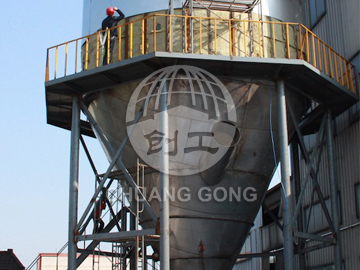
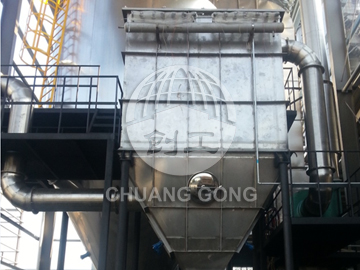
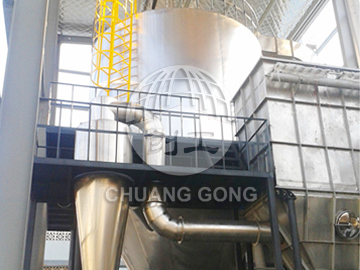
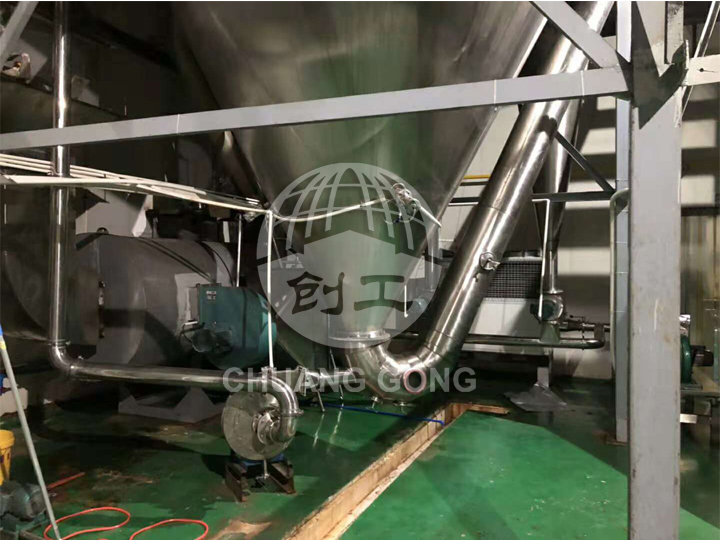
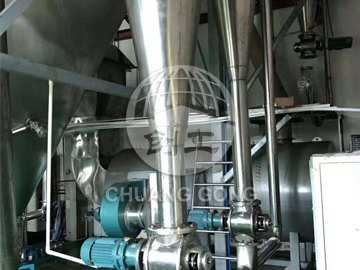
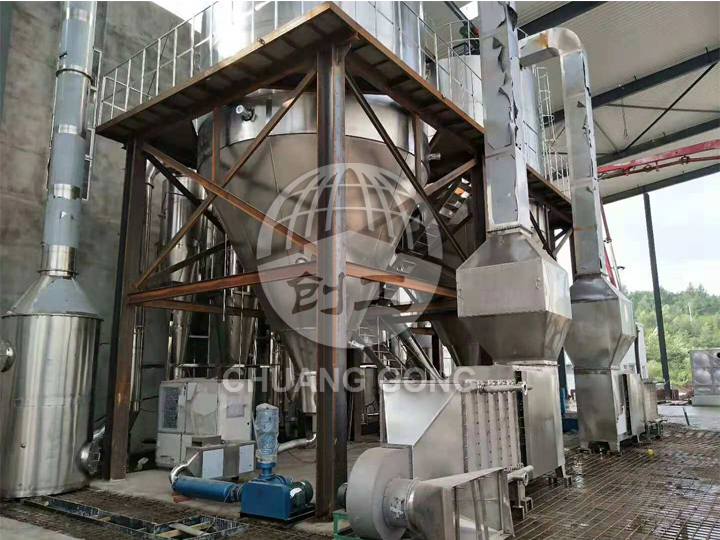 XPG new material special spray dryer
 -
 XPG new material special spray dryer
 -
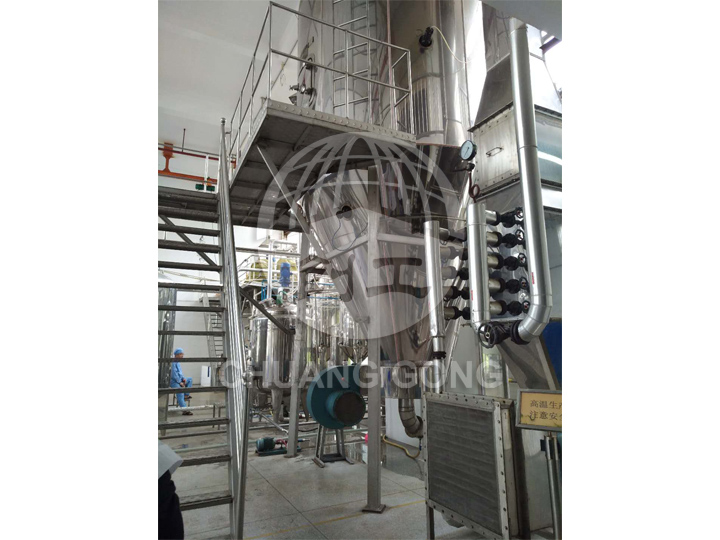 XPG new material special spray dryer
 -
 XPG new material special spray dryer
 -
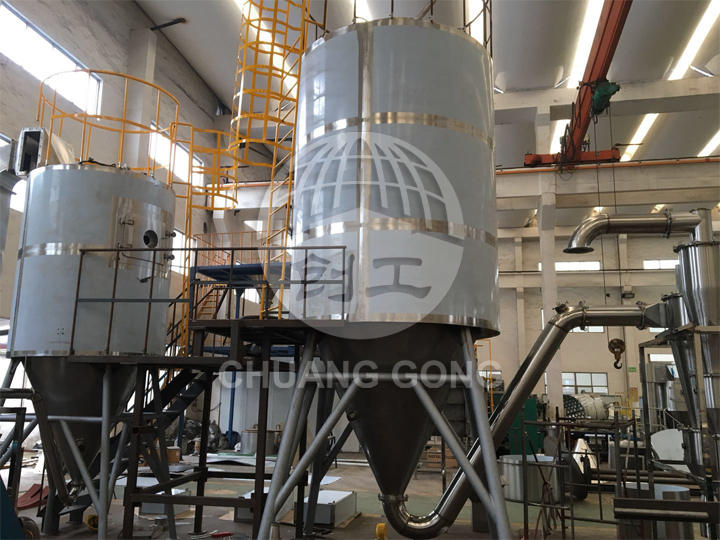 XPG new material special spray dryer
No related video yet...
There are no relevant cases yet...
Related articles
- 2018-12-05 > Comparison of powder extraction rate between traditional Chinese medicine extract and high speed spray dryer
- 2018-10-30 > Safe use of hot air circulation oven and four points of attention
- 2018-09-10 > The rice dryer market will also see new trends
- 2018-09-06 > Analysis on the Application of Eight Drying Equipments in Chemical Pharmaceutical Industry
- 2018-05-24 > Application of spray drying desulfurization technology in protecting ecological environment
- 2018-02-20 > Belt dryers are common faults and maintenance during use
- 2017-12-10 > Application range and selection of belt dryer
- 2017-08-22 > Development status and characteristics of high efficiency mixing granulator for calcium carbonate industry
- 2017-03-29 > Four major process design methods for rotary flash dryer
Related products
-
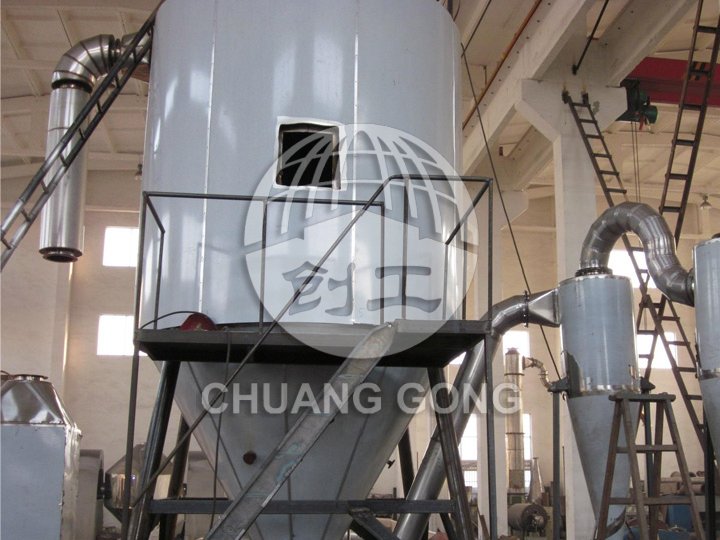 GPG zirconia special spray dryer
 -
 TPG seasoning special spray dryer
 -
 JYPG collagen spray dryer
 -
 SPG graphene special spray dryer
 -
 JPG yeast special spray dryer
 -
 GPG high temperature pyrolysis spray dryer
 -
 TCPG ceramic powder spray dryer
 -
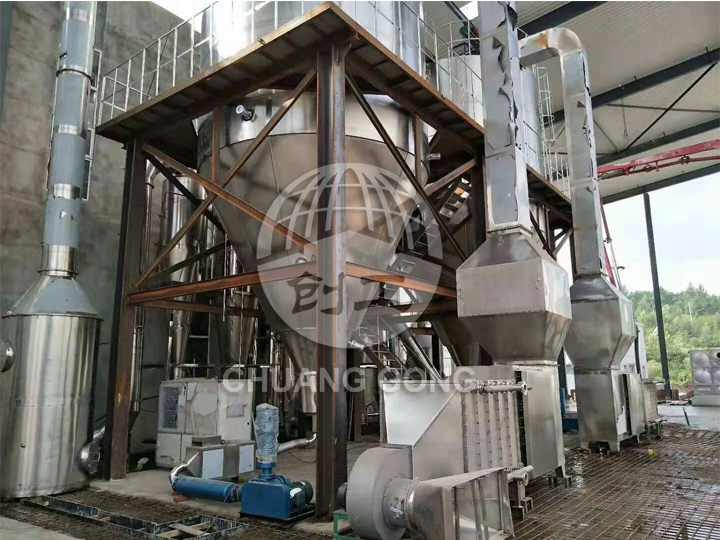 XPG new material special spray dryer